Project Overview
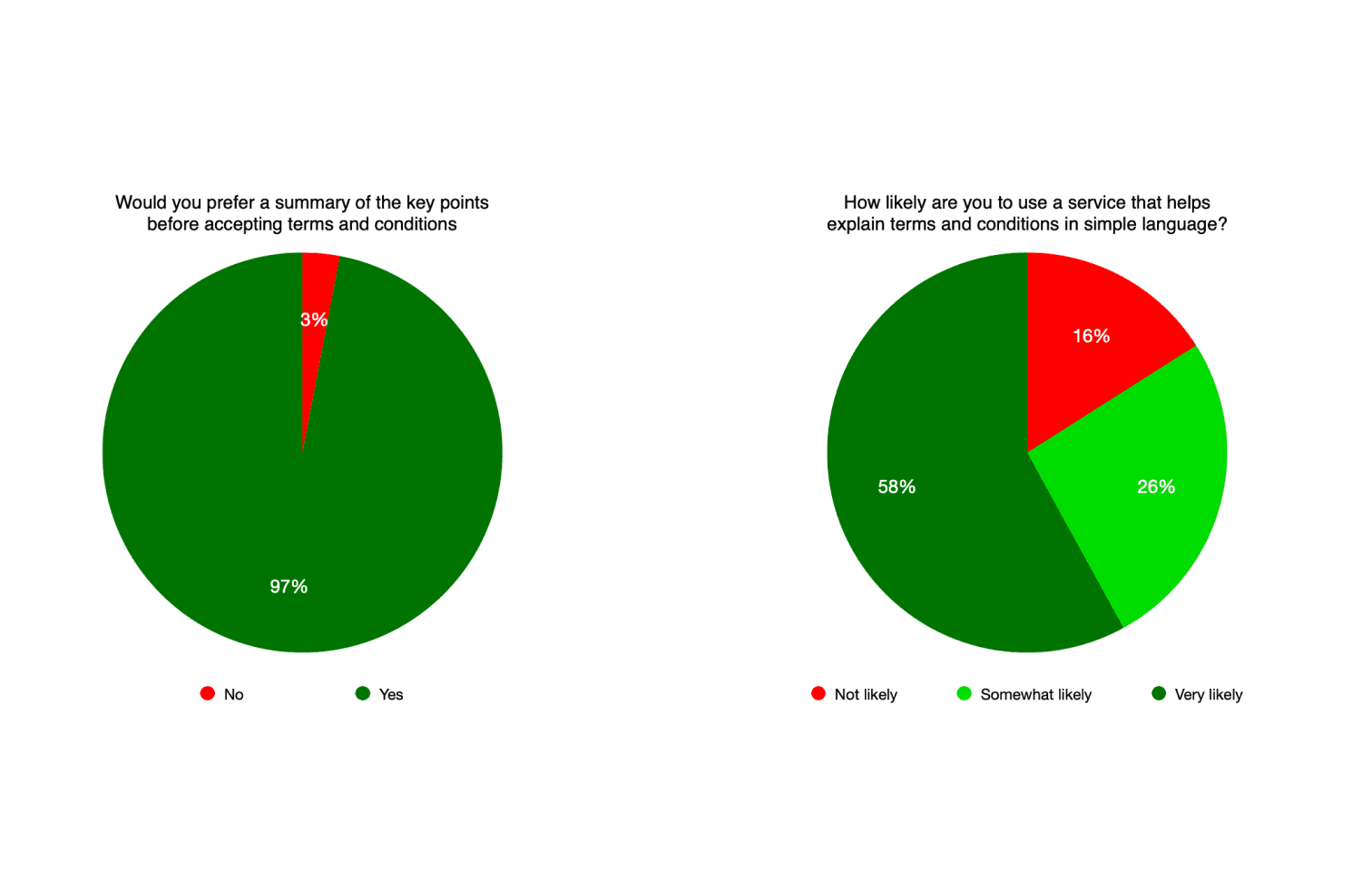
ClearTerms began at Sync the City, a 54 hour startup event where teams pitch ideas and build them into working concepts. Our research showed the scale of the problem. 83% of people accept T&Cs without reading them, and 97% said they'd prefer a plain summary before agreeing.
We found a real case of a man who lost his right to sue over food poisoning because of a clause buried in a free service signup. That story gave our product purpose.
ClearTerms was designed to bridge that gap for two audiences, consumers who need clarity, and businesses that want to build trust and reduce legal risk.
Design Process
Research came before any design tools. Surveys and interviews showed users weren't ignoring terms out of laziness, they were overwhelmed by the structure and language. That shifted the focus from reducing content to improving how information is surfaced and prioritised, with the goal of helping users spot risky clauses without reading the full document.
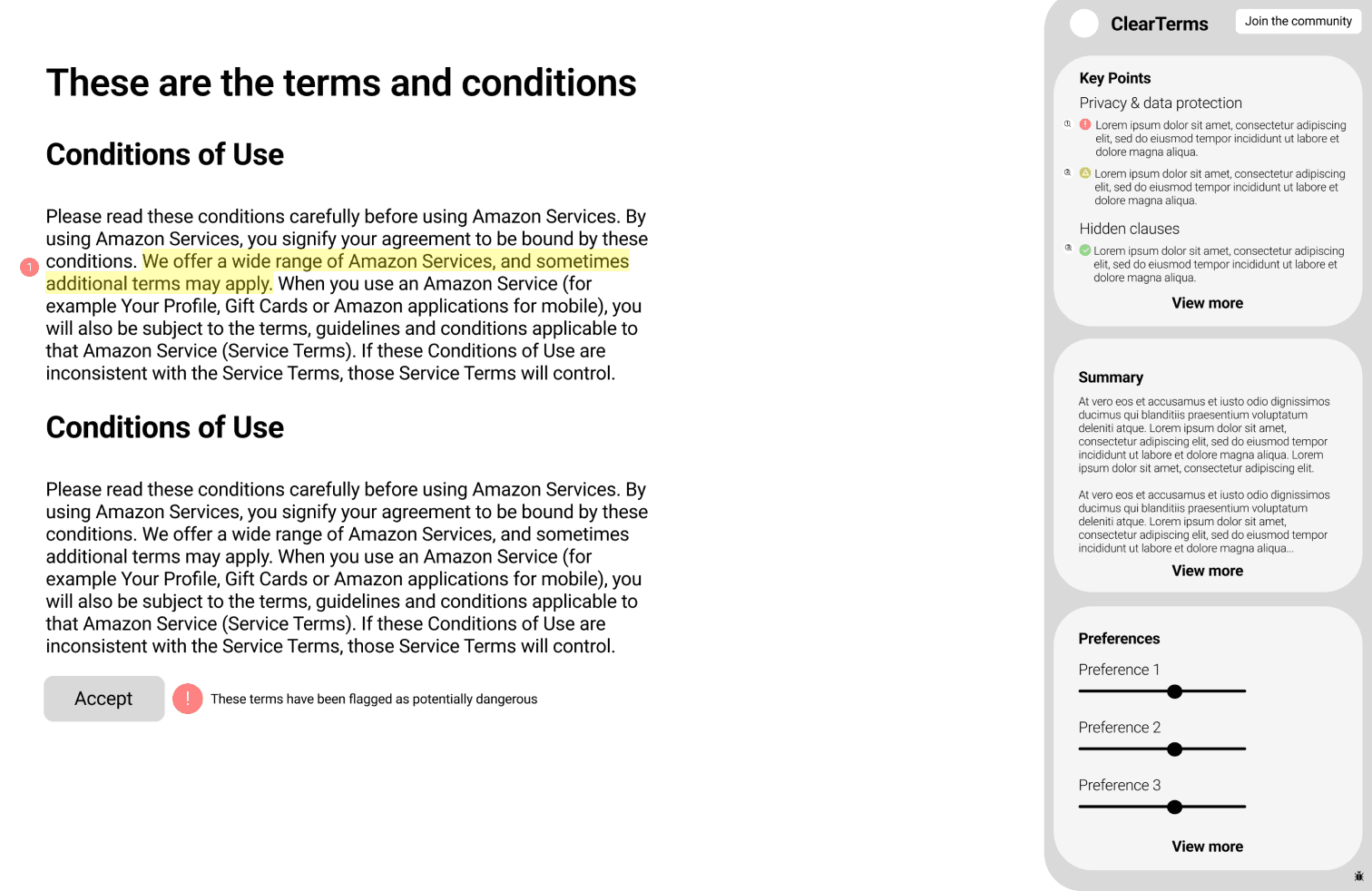
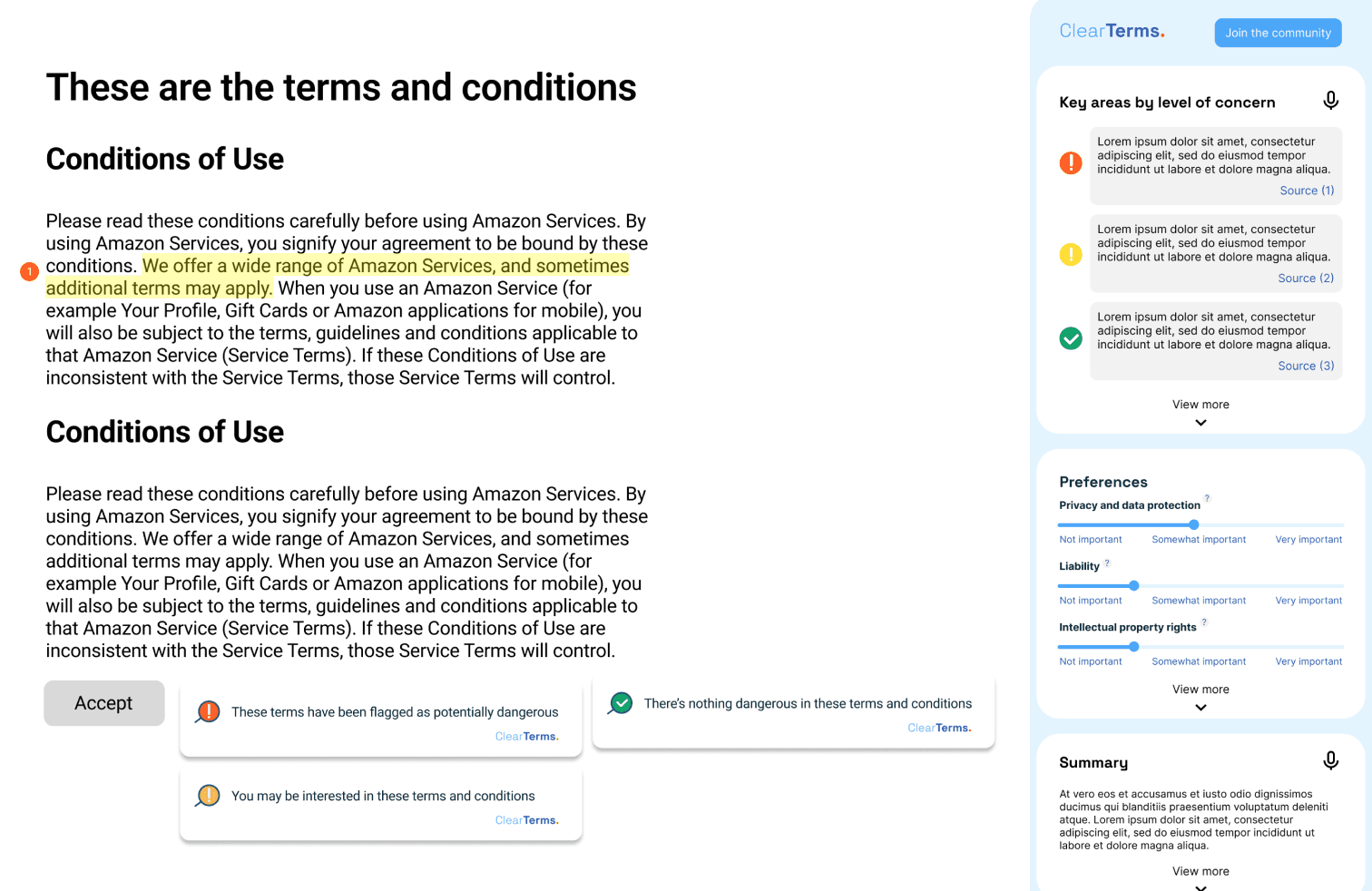
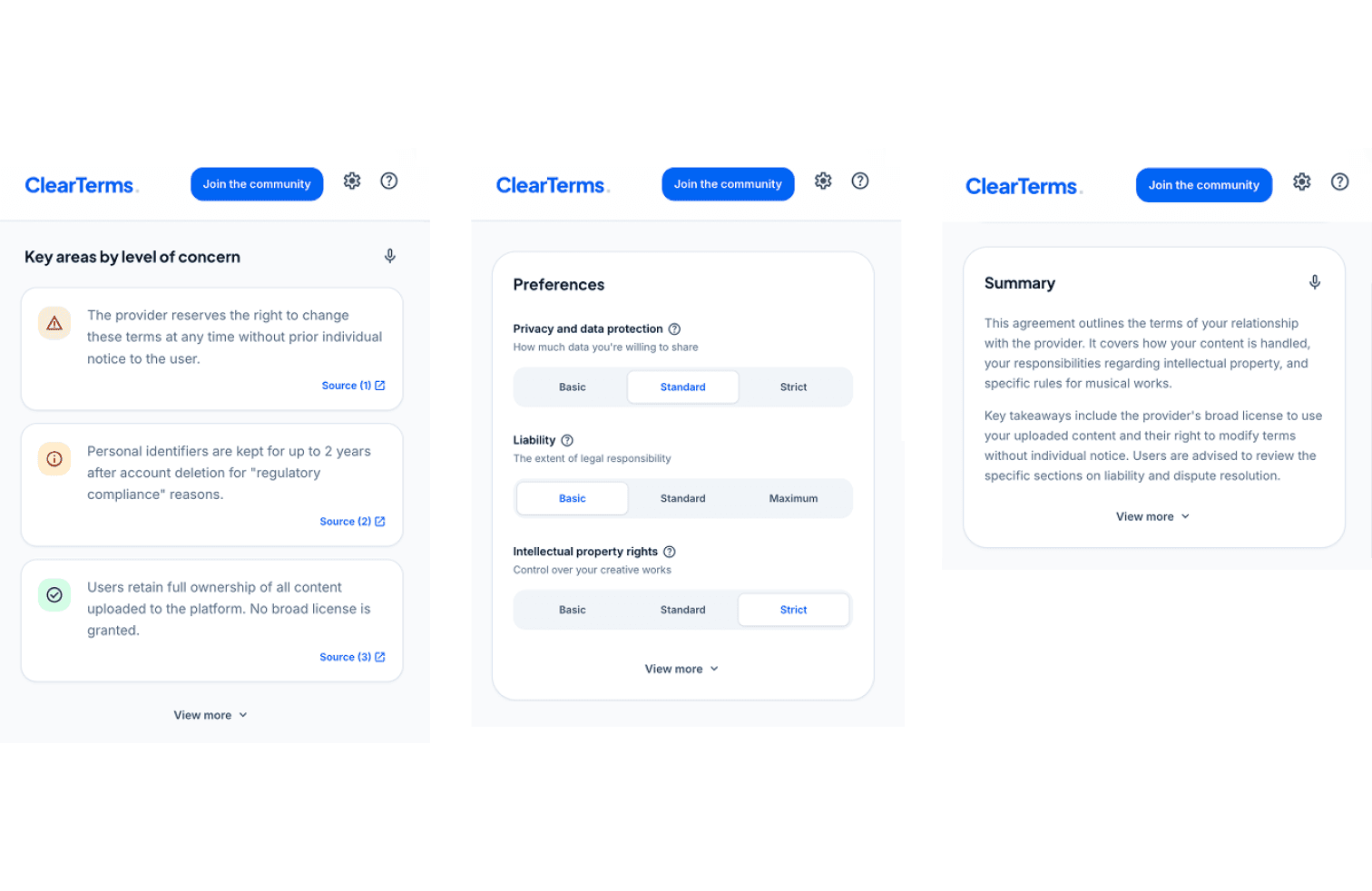
The central design challenge was hierarchy. Legal documents are dense, so the interface needed to separate critical clauses from routine ones at a glance, using visual grouping and priority markers to signal risk without requiring full reading.
Three patterns came out of that process. Plain language summaries replaced dense legal text with scannable insights. Clause highlighting flagged risky or unclear terms. Categorisation grouped clauses by theme, covering areas like data usage, liability and intellectual property, so users could navigate without reading everything.
As the design developed, I iterated on feasibility and team feedback. Summaries had to simplify content without misrepresenting legal meaning, which shaped both the wording and how disclaimers stayed visible without breaking the reading flow.
Defining the product’s personality helped establish a clear identity, tone of voice, and set of values
Decisions & Trade-offs
The 54 hour window shaped every decision that followed. Early ideation produced a broad vision for the product, and the constraint forced the team to concentrate it into an MVP built around the core idea, cutting anything that wasn't essential to it.
Scope was the first test of that. Competitor analysis showed most existing tools focused on narrow areas like cookie policies. We chose to cover the full Terms and Conditions document instead, which gave ClearTerms a clear market position but raised the complexity of what the design needed to communicate.
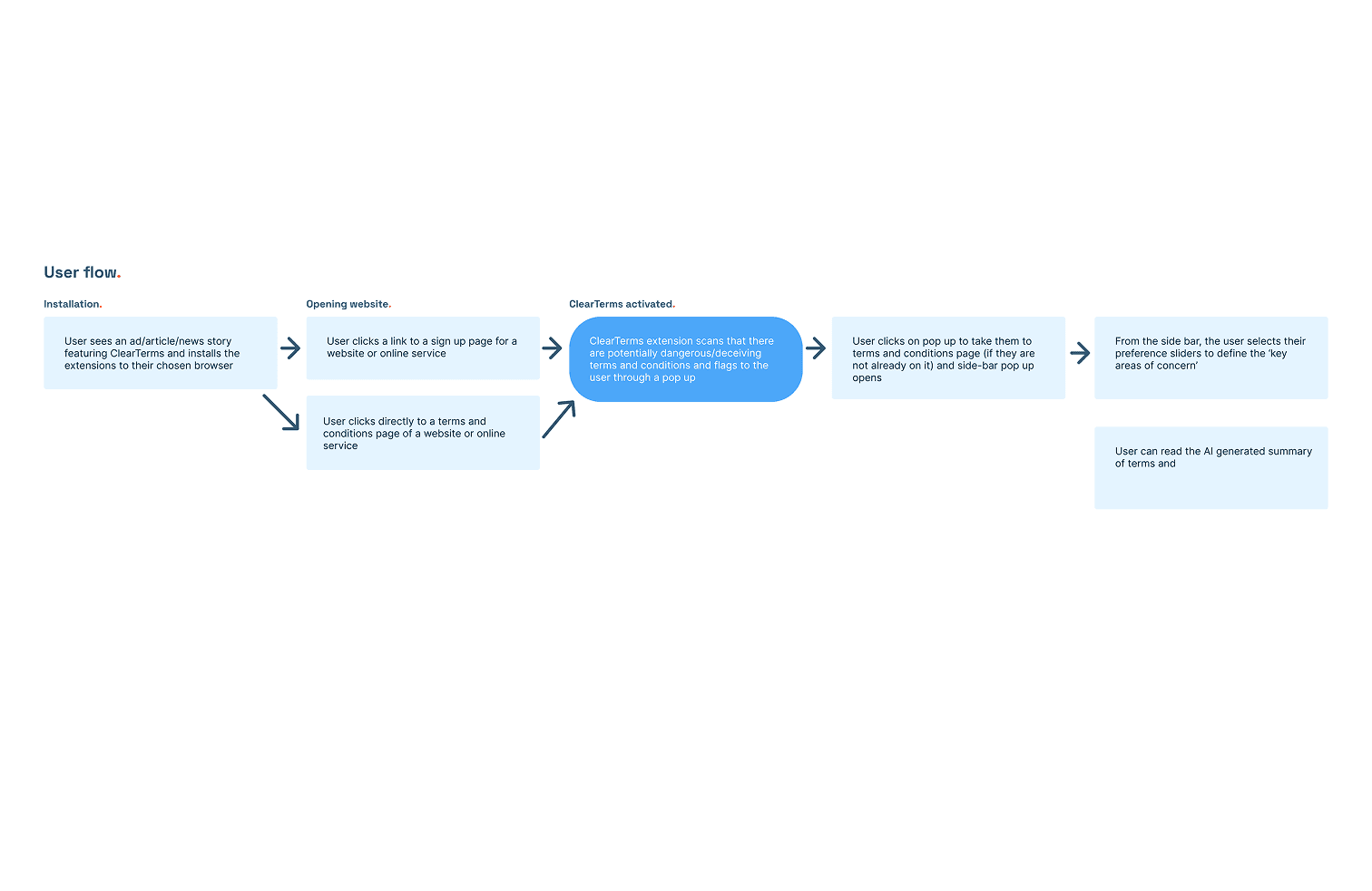
Format was the second. A website seemed easier to distribute and test, but mapping the user journey showed people encounter terms and conditions in context, at the moment of signing up, not separately. A Chrome extension put the tool exactly where it was needed, and left room to grow into a broader platform later.
The revenue model was freemium, keeping the core consumer tool free to build trust and drive organic growth. This reinforced the case for the extension too, since the format fits naturally within business websites and other digital products on the B2B side.
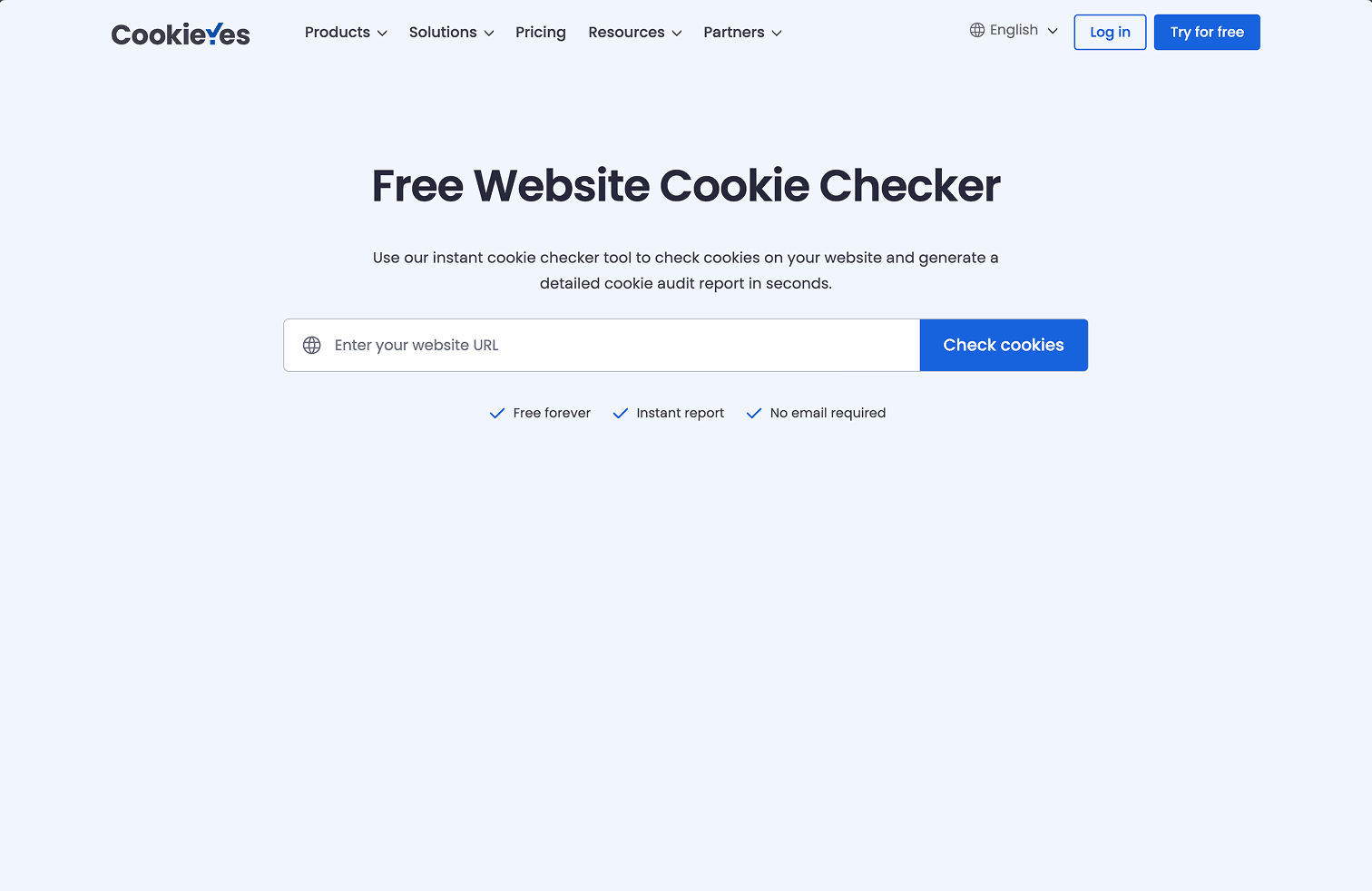
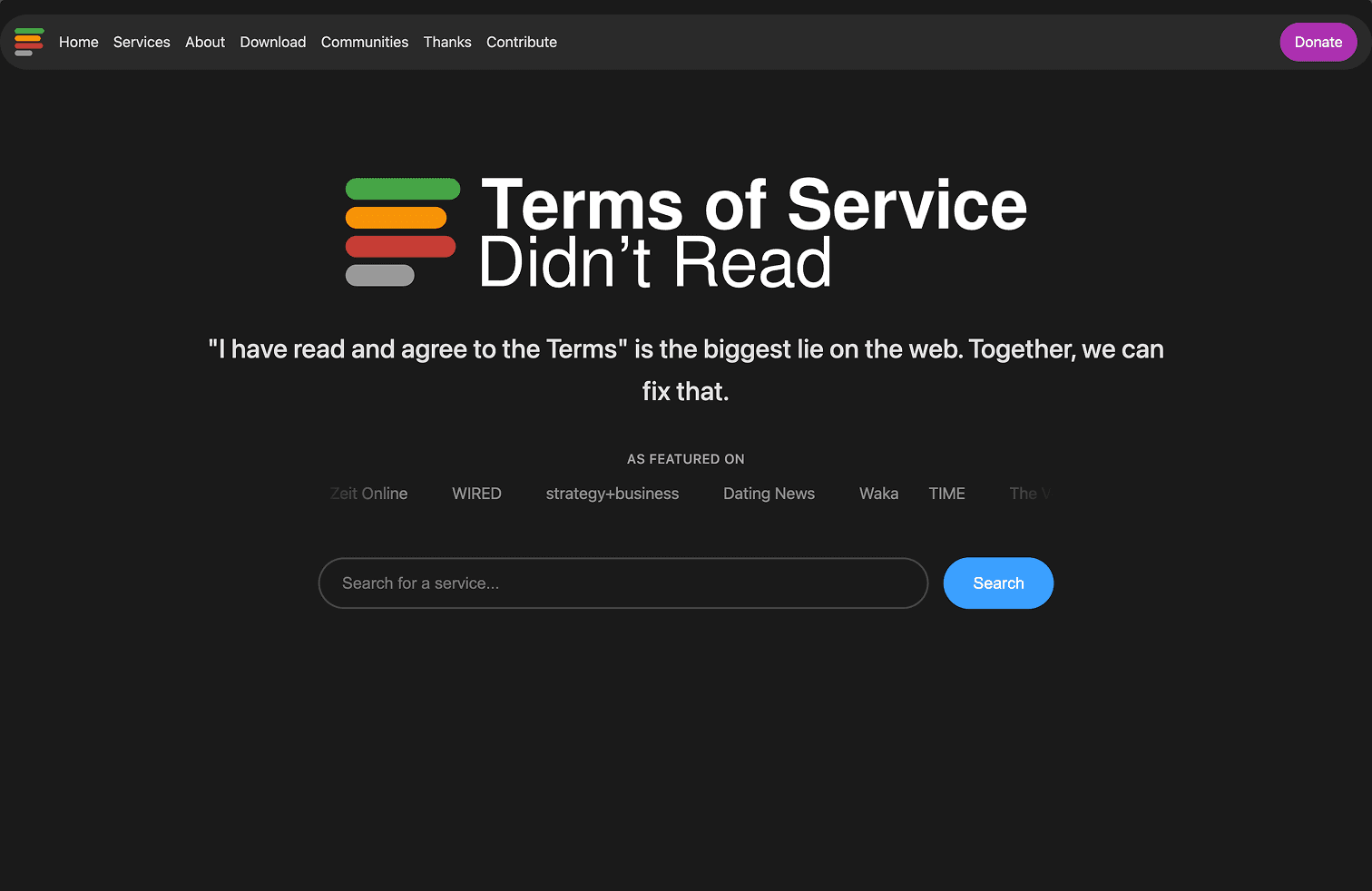
ToS;DR is a direct competitor, but their platform breaks the user's flow, pulling them away to a separate website. The Chrome extension removes that friction by working in context.
Feedback & Iteration
We ran consumer surveys and interviews early, then brought in legal professionals through the Akcela startup incubator, including a Google contact, whose input pushed me to think harder about disclaimers and liability.
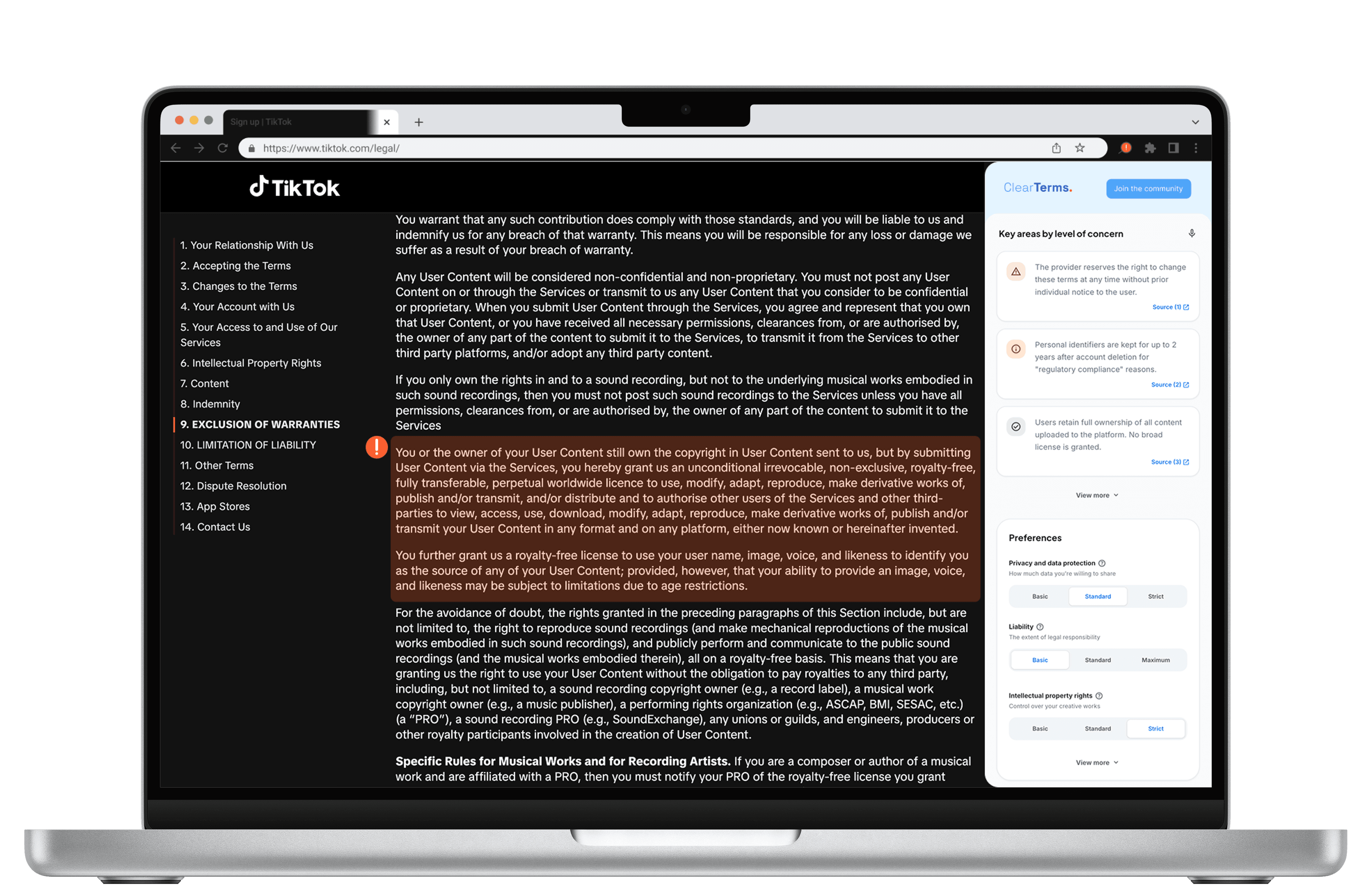
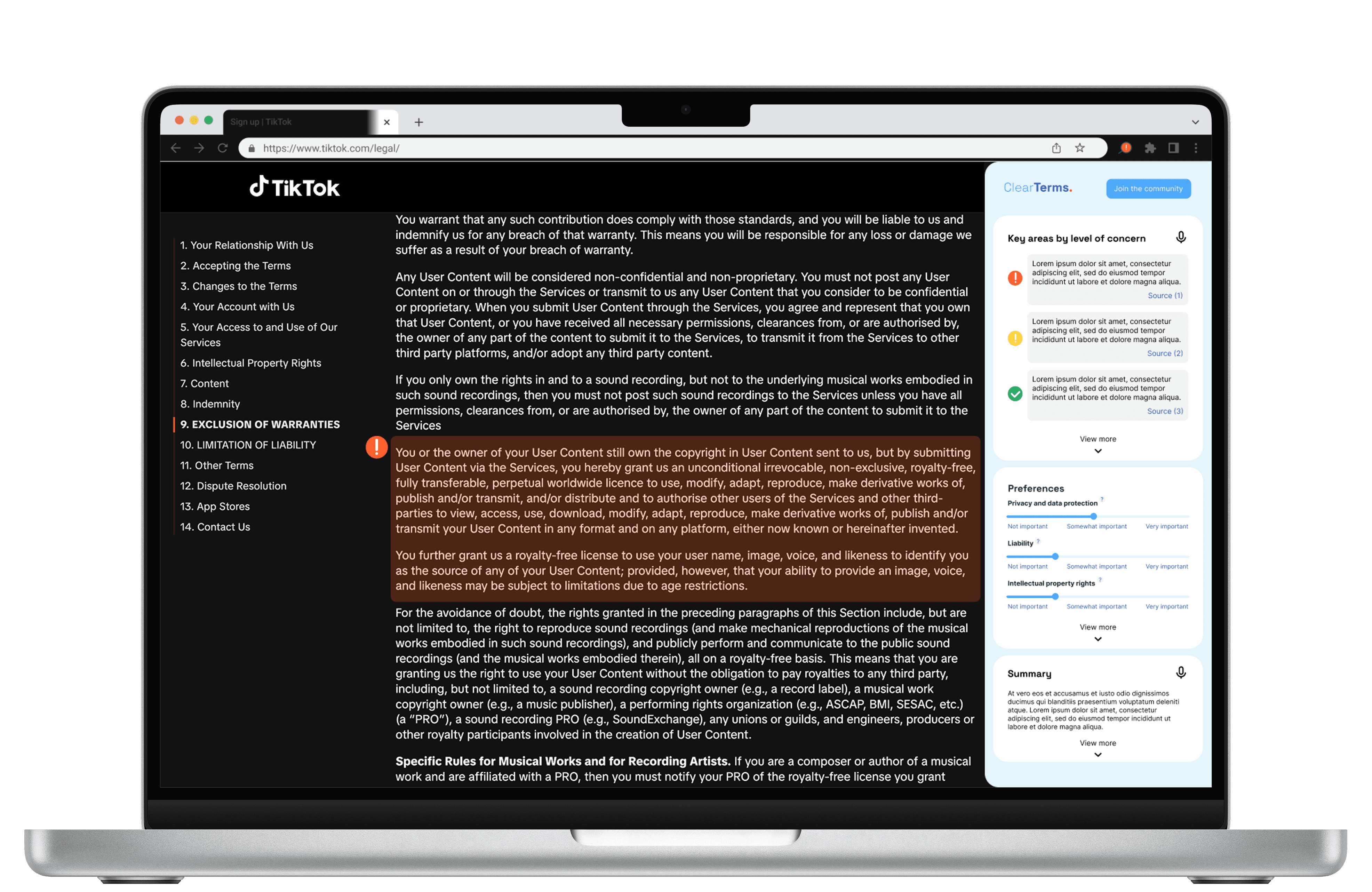
Our proof of concept flagged a subtle clause granting TikTok rights to a user's image and voice, something almost nobody would catch reading on their own. That confirmed the design was surfacing the right information in a way users could act on.
Challenges & Learnings
The hardest part wasn't the interface, it was the legal risk of using AI to interpret binding documents. If the tool surfaces something inaccurate, a user could act on wrong information, so strong disclaimers became a core part of the product, built into the interface rather than hidden in small print.
Building trust raised a second challenge. Clarity in the interface wasn't enough on its own, endorsements, partnerships and honest communication about how the tool works mattered just as much.
Collaboration
My role covered UX and design from research through to final designs, within a team effort that also spanned development, legal and business strategy. Decisions on revenue model, legal disclaimers and product format all fed directly into design choices.
The legal expert reviewing the concept flagged that my summary UI was too definitive, which could create liability. That pushed me to iterate the design. Key areas became cited and highlightable, so users could verify the source text themselves without the design overstating what an AI-generated summary can guarantee.
AI interpreted design
Design starts the moment a decision is made, whether that's in Figma, a conversation, or with the help of AI.
© 2026 Benjamin Segall